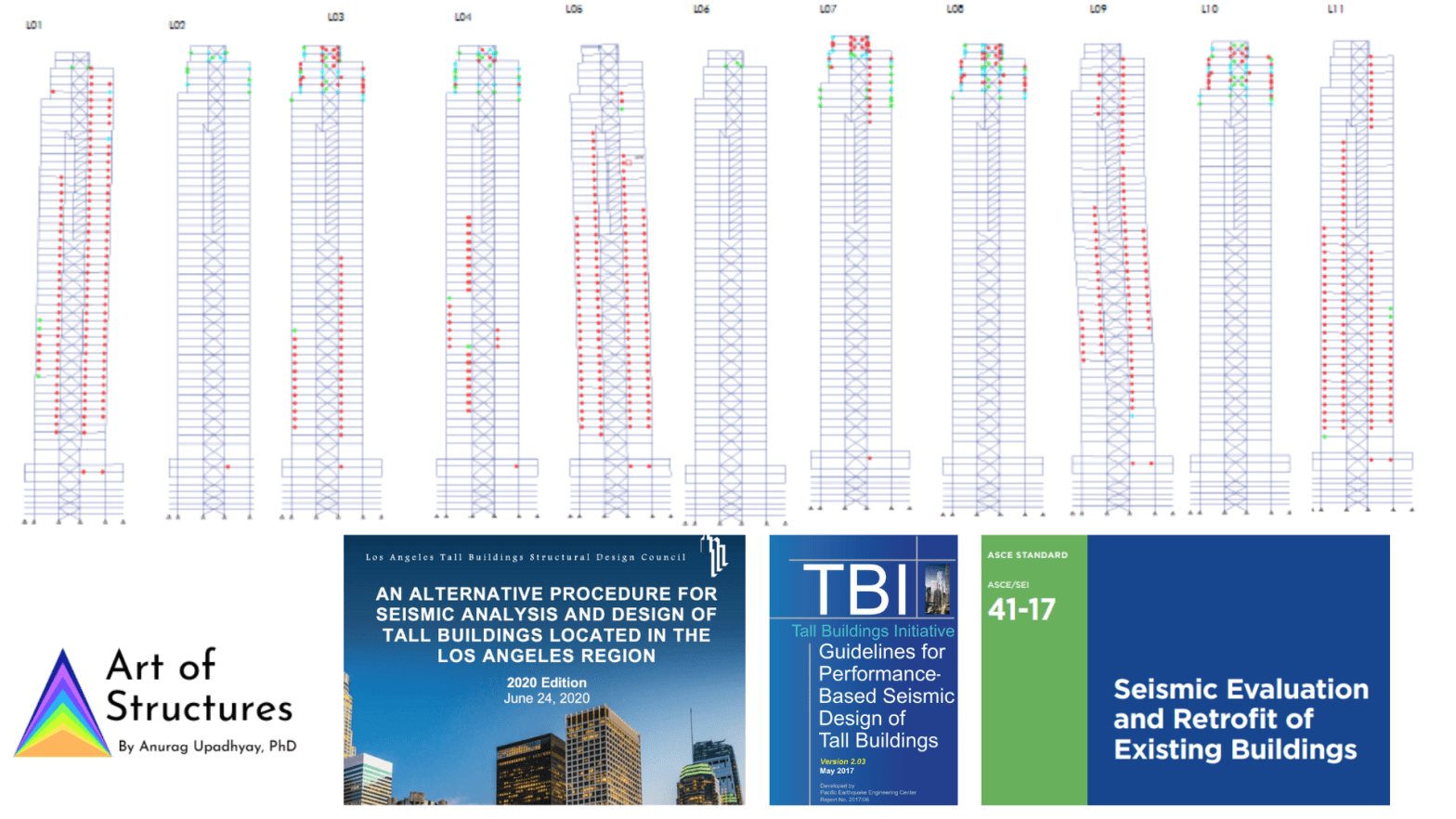
In a previous edition I mentioned that the limitations in the code-based structural design approach led to the innovation of the performance-based seismic design (PBSD) procedure. This, along with advancement in computation power, paved a way for engineers to utilize nonlinear time-history analysis to assess (nearly) true structural behavior. However, this required advanced knowledge of structural behavior and analysis techniques, which was (still is) quite rare.
“Performance-based design is an alternative approach,
specifically permitted under Section 104 of the International Building Code, which permits building officials to approve any design or means of construction on the basis of satisfactory evidence that the completed construction will be capable of providing equivalent protection to the public as designs that conform to the code’s prescriptive requirements.”
– Ron Hamburger & John Hooper (NASCC: The Steel Conference) Full Article
We all know that advocating for a procedure, which can only be utilized by only a handful of structural engineers, is not a great idea. There are a number of people involved in bringing a building to life,
1) Architects
2) Structural Engineers (EOR)
3) Seismic Peer Reviewers
4) General Contractors (GC)
5) Authority Having Jurisdiction (AHJ) to approve the design and permit
6) Developers/Owners
All of the mentioned above should understand how reliable a building design procedure is.
Who will peer review the seismic design carried out by the EOR? It is crucial that the peer reviewers have a good knowledge of nonlinear analysis.
General contractors have to deal with a significant amount of financial uncertainty while construction. What if they trust a design procedure that the AHJ or the permit officials fail to understand? This could lead to financial loss caused by delays and redesign.
Authorities (AHJs) need to understand how the nonlinear analysis and verification of seismic behavior is done. Otherwise, they may not even allow such design procedure in their city (jurisdiction).
Developing community supported guidelines on performance-based seismic design (PBSD) helped spread the knowledge and increase trust. Researchers and practicing engineers have been working for many years to develop codes, guidelines, and research documents to educate the larger structural engineering community.
Ron Hamburger, one of the pioneers, explained the history of PBSD really well in this video. I encourage you to also watch the other videos in this lecture series. My future posts will have a different theme and will not repeat the information in these videos.
Structural analysis and design is only one side of PBSD procedure. Seismology and Geotechnical engineering are equally important in simulating a realistic seismic performance of structures.
There are many codes (you must follow) and guidelines (good practices) available that we utilize in designing buildings with PBSD. We will explore them in the next edition of this newsletter. Here is what you can look forward to,
Part 2 – A brief introduction of the codes and guidelines with their applicability.
Part 3 – Software tools and workflows
Share this article with your friends and colleagues. Start your learning groups where you can grow together.
Cheers,
Anurag Upadhyay, Ph.D.
Discover more from Art of Structures
Subscribe to get the latest posts sent to your email.
 Art of Structures
Leave a comment